



How to Choose the Right Baby Gate: A Complete Buying Guide

Choosing the right baby gate isn't just about picking a color that matches your hallway. The wrong gate can mean a frustrating return, or worse, a gap your toddler squeezes through. Here's what actually matters when you're shopping for one.
1. Measure Your Opening First
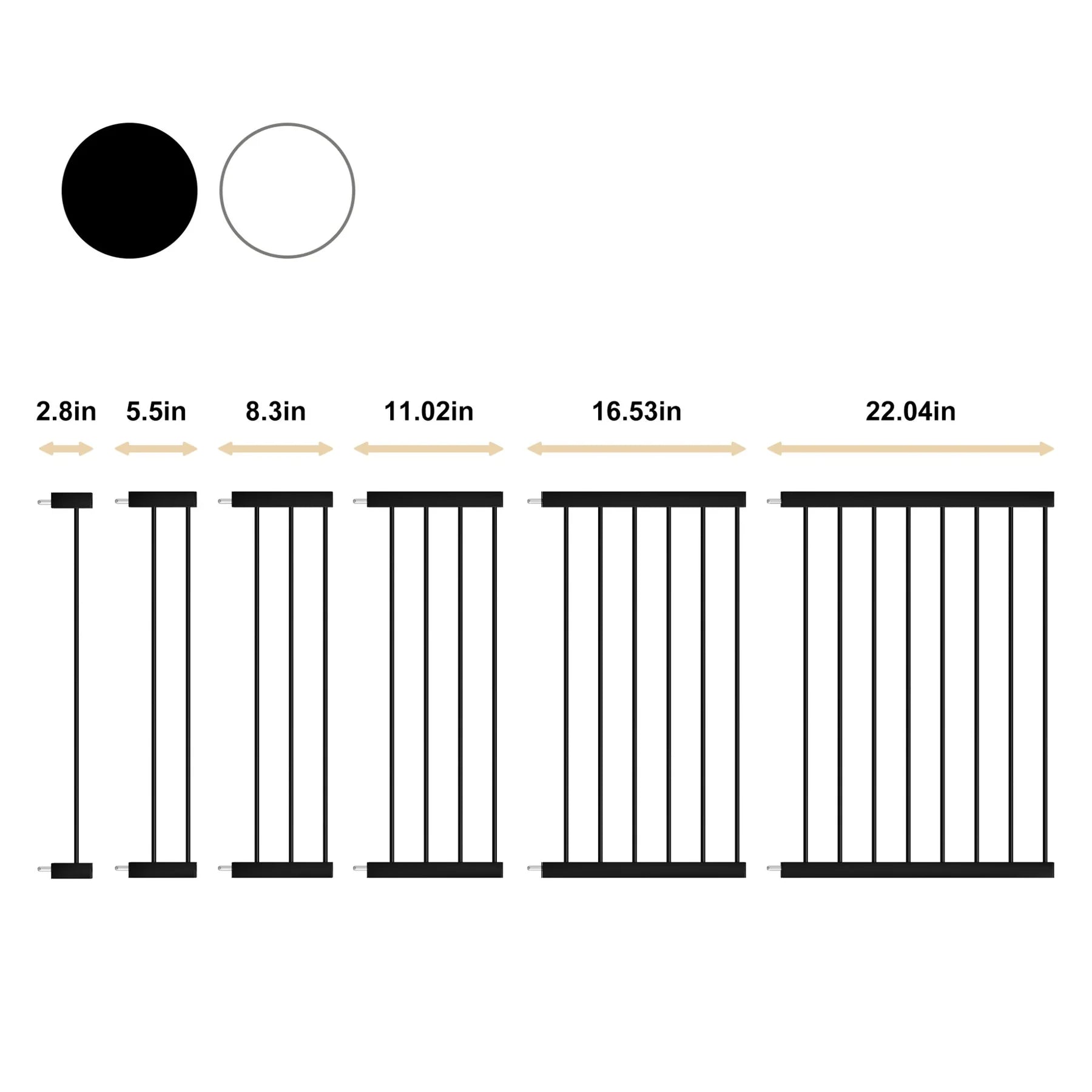
Before you look at a single product photo, grab a tape measure. Standard baby gates fit openings up to about 30-40 inches, but staircases, wide hallways, and open-concept living rooms often need extra-wide options. If your opening is wider than 60 inches, look for an extra-wide gate (like our Extra Wide Baby Gate for openings up to 109.5 inches) rather than stretching a standard gate with extension kits, which can create weak points.
2. Pressure-Mounted vs. Hardware-Mounted
Pressure-mounted gates wedge between two walls or door frames using tension. They're easy to install and move, making them ideal for doorways between rooms. They are not recommended at the top of stairs, since a determined push can dislodge them.
Hardware-mounted gates screw directly into the wall or banister. They're sturdier and are the safer choice for the top of any staircase. Most quality gates, including ours, offer both mounting options so you can match the gate to where it's going.
3. Check the Height
A taller gate isn't just for peace of mind today; it's for next year too. Standard gates run around 30 inches tall, which works for infants and younger toddlers. If you have a climber on your hands, or a large dog you're also trying to contain, an extra-tall gate (36-57 inches) gives you a lot more runway before your child or pet learns to climb over.
4. Bar Spacing Matters More Than You'd Think
Look for gates with bar spacing no wider than 2.5-3 inches. Wider spacing can trap small arms and legs, or let curious fingers and paws through. If you have both a baby and a cat at home, a narrow-bar-spacing gate keeps the cat's litter box and food area truly off-limits to the baby, while (usually) still letting the cat squeeze past.
5. Auto-Close and Walk-Through Features
If you're going to be walking through the gate dozens of times a day, a swinging door with auto-close is worth the extra cost. Look for one-hand operation so you can open it while holding a baby, a laundry basket, or both.
6. Look for Safety Certifications
In the US, check that the gate meets ASTM F1004 safety standards. This isn't just marketing; it covers structural strength, latch security, and bar spacing requirements that matter for real-world safety.
Quick Checklist Before You Buy
- Measured the exact opening width (and checked if you need an extra-wide option)
- Decided between pressure-mount (doorways) or hardware-mount (stairs)
- Picked a height that accounts for how tall your child (or pet) will get
- Confirmed bar spacing is 3 inches or narrower
- Checked for ASTM F1004 or equivalent safety certification
Which gate fits your space? Browse our full range of baby and pet gates, or reach out and we'll help you find the right fit.

